
Loading...
Serving San Luis Obispo, CA and surrounding areas. (805) 269-8159
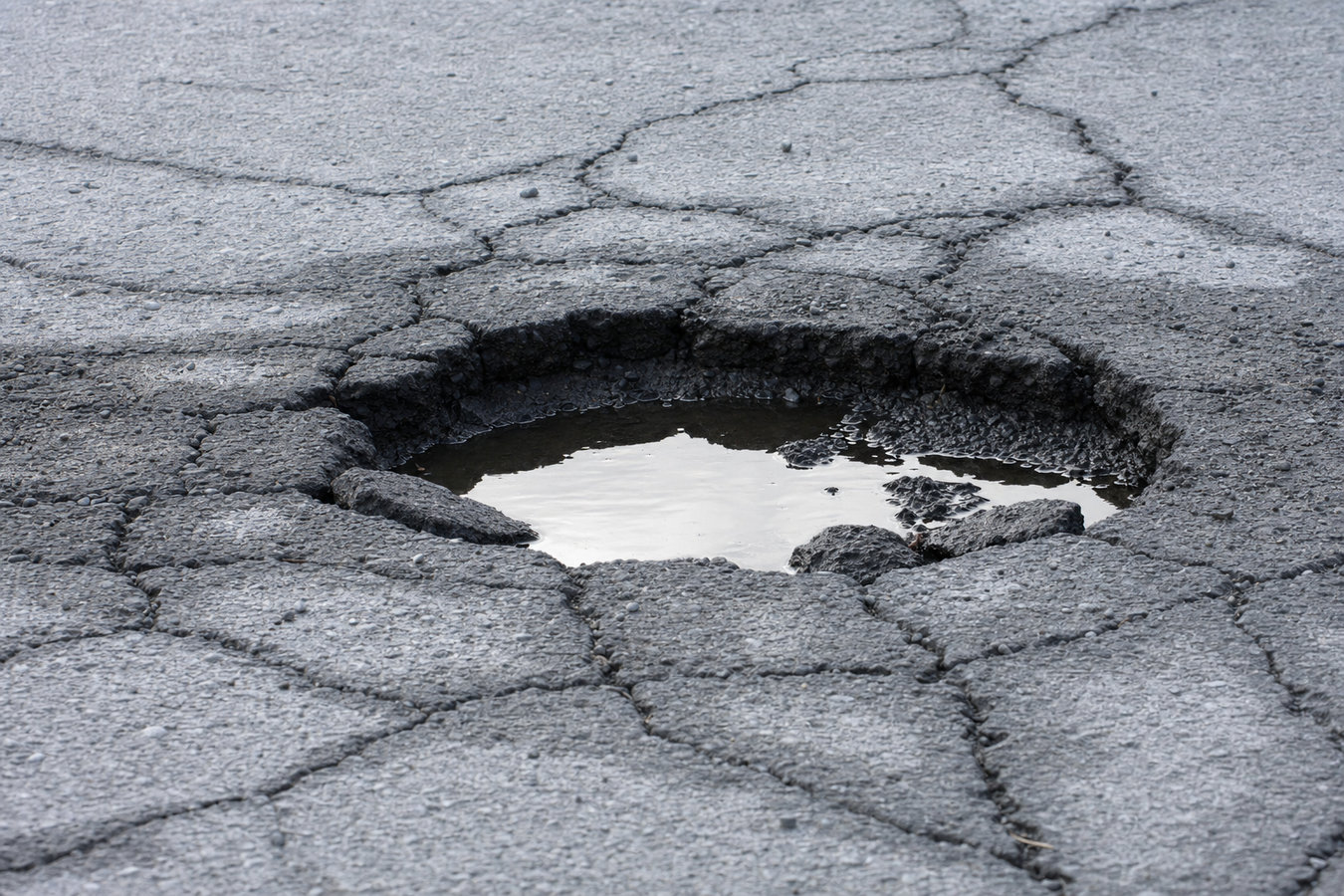
A patched pothole should last years, not weeks. We cut clean edges, compact hot-mix asphalt flush, and address the base issues that keep holes coming back.
Pothole repair in San Luis Obispo starts by removing the loose, crumbled asphalt around the damage, cleaning out debris and any standing water, and filling the void with fresh hot-mix asphalt that is compacted flush with the surrounding surface - most residential repairs are done in a few hours and you can drive on the patch the same day once it has cooled and set.
In SLO, clay-rich soils expand and contract with every wet and dry season. That movement pushes and pulls the asphalt above, which is why potholes form here even without the freeze-thaw cycles that damage roads in colder climates. A good repair addresses what is happening beneath the hole, not just the visible surface damage.
If a single pothole is part of a bigger problem - widespread cracking or multiple failing areas - a proper asphalt repair assessment can tell you whether patching makes sense or whether the surface needs more significant work.
If you can see a depression, a chunk of missing asphalt, or a hole that catches water after rain, that is a pothole - and it will grow larger with every wet season if left alone. The sooner it is patched, the less base damage you are likely dealing with underneath.
When asphalt cracks form a rough grid pattern and the pieces start to shift or pop out underfoot, the surface has moved past simple cracking into pothole territory. This is common on older SLO driveways where years of sun exposure have made the asphalt brittle and the clay soil below has shifted through multiple wet-dry cycles.
A low spot that always holds water after a Central Coast rainstorm is a warning sign. Standing water accelerates base erosion and almost always leads to a pothole forming in that exact location within a season or two. Catching it early - while it is still a depression rather than a hole - makes the repair simpler and less expensive.
If you feel a distinct jolt when driving over a section of your driveway, the surface has likely broken down enough to need repair. Beyond being disruptive, repeated impact on vehicle tires and suspension adds up over time and is a sign the damage will only worsen.
We handle residential driveway potholes, commercial parking lot failures, and access road damage across San Luis Obispo and the surrounding Central Coast. Every repair starts with proper edge preparation - we cut or trim the perimeter of the damaged area into clean, straight lines so the new asphalt has solid walls to bond against. Skipping that step is the reason most quick-fix patches fail within months. Where the base beneath a hole has been softened by water intrusion, we address that before filling the surface. For properties where pothole damage is part of a broader pavement failure, we can discuss whether full grading and excavation is the more cost-effective path.
We use hot-mix asphalt for all structural repairs rather than cold-mix bag products. Hot-mix compacts to a much higher density, bonds reliably with the surrounding surface, and holds up through SLO winters and the expansion-contraction cycle of the local clay soil. Once a patch has fully cured, we recommend following up with a sealcoat over the whole driveway to protect both the new repair and the surrounding asphalt from UV damage. You can verify contractor licensing through the California Contractors State License Board.
Best for homeowners dealing with one or a few isolated holes on a driveway that is otherwise in reasonable condition.
Suited for property managers who need isolated failures fixed quickly to maintain a safe, liability-conscious lot.
For potholes where the sub-base has been compromised by water intrusion - the right fix when surface-only patches keep failing.
For customers who want to protect the new patch and the surrounding surface from SLO's UV exposure after the repair has cured.
San Luis Obispo sits on clay-heavy soils that are particularly active in response to seasonal moisture. Clay swells when winter rain arrives and shrinks as it dries out in summer - that movement repeats every year and gradually breaks down the asphalt above it. Unlike colder climates where freeze-thaw cycles are the main culprit, SLO potholes develop from soil movement and UV damage combined. The city also gets more than 280 sunny days a year, which oxidizes the asphalt binder and makes the surface brittle faster than in cloudier regions. Properties on sloped lots - common throughout SLO neighborhoods near the hillsides and near Cal Poly - are at extra risk because water running downhill concentrates at low points and edges, speeding up base erosion right where potholes tend to form. Homeowners in Los Osos and Atascadero face similar soil and sun conditions and are part of our regular service area.
The best time to repair potholes in San Luis Obispo is late spring through early fall, after the rainy season has ended and while surface temperatures are warm enough for hot-mix asphalt to bond correctly. Waiting until winter means water continues to work into the base through each rain event, turning a manageable patch into a much larger job. The National Asphalt Pavement Association offers guidance on repair best practices at asphaltpavement.org. If your driveway repair touches the city street apron or curb area, a local permit may be required - a licensed SLO contractor will know when that applies.
Reach out by phone or through our contact form and describe what you are seeing - the size, location, and number of potholes. We reply within one business day and schedule an on-site visit at no cost to you.
A contractor walks your surface, assesses the hole size and base condition, and gives you a written price before any work begins. If the base beneath the pothole has been compromised, they will tell you honestly and explain what is needed for a lasting fix.
On the day of work, the crew removes loose asphalt and debris, cleans out any standing water, and cuts or trims the edges of the hole into clean straight walls - the step that separates repairs that hold from ones that pop out by spring.
Hot-mix asphalt is placed into the prepared hole and compacted until it sits flush with the surrounding surface. Most patches are driveable within a few hours once the material has cooled. The crew confirms the timeline before leaving.
Free estimate, written quote, no obligation. We reply within one business day.
(805) 269-8159We use hot-mix asphalt for every structural repair, not cold-mix products from a hardware store. Hot-mix compacts to a higher density, bonds to the surrounding surface properly, and handles SLO's wet winters and UV summers far better - which is why our patches outlast quick fixes by years.
Before we fill anything, we cut the edges of the damaged area into clean, straight walls. This single step - often skipped by less careful contractors - is what keeps a patch from popping out after the first cold wet season. Clean edges give the new material solid walls to bond against.
SLO's clay soils mean some potholes have a compromised base beneath them. We probe the sub-base on every job and tell you honestly what we find. If a surface patch will not hold, we say so upfront - not after you have paid for something that will fail in six months.
California requires all paving contractors to hold a valid state contractor license - you can verify any contractor's status at cslb.ca.gov. We are fully licensed and carry general liability insurance, protecting you if anything is accidentally damaged during the job.
Every one of these points matters more in SLO than in many other markets because the local soil and sun work against asphalt in ways that reward proper technique. A patch that looks fine in October can fail by February if the base was not addressed and the edges were not cut clean.
When potholes signal a failed base, proper grading and excavation rebuilds the foundation your pavement rests on.
Learn MoreFor driveways with broader surface damage beyond isolated holes, a full asphalt repair assessment covers the whole picture.
Learn MoreEvery wet season you leave a hole open, water works deeper into the base beneath it. Call us now and we will get your driveway patched, compacted, and ready before November arrives.