Loading...
Serving San Luis Obispo, CA and surrounding areas. (805) 269-8159
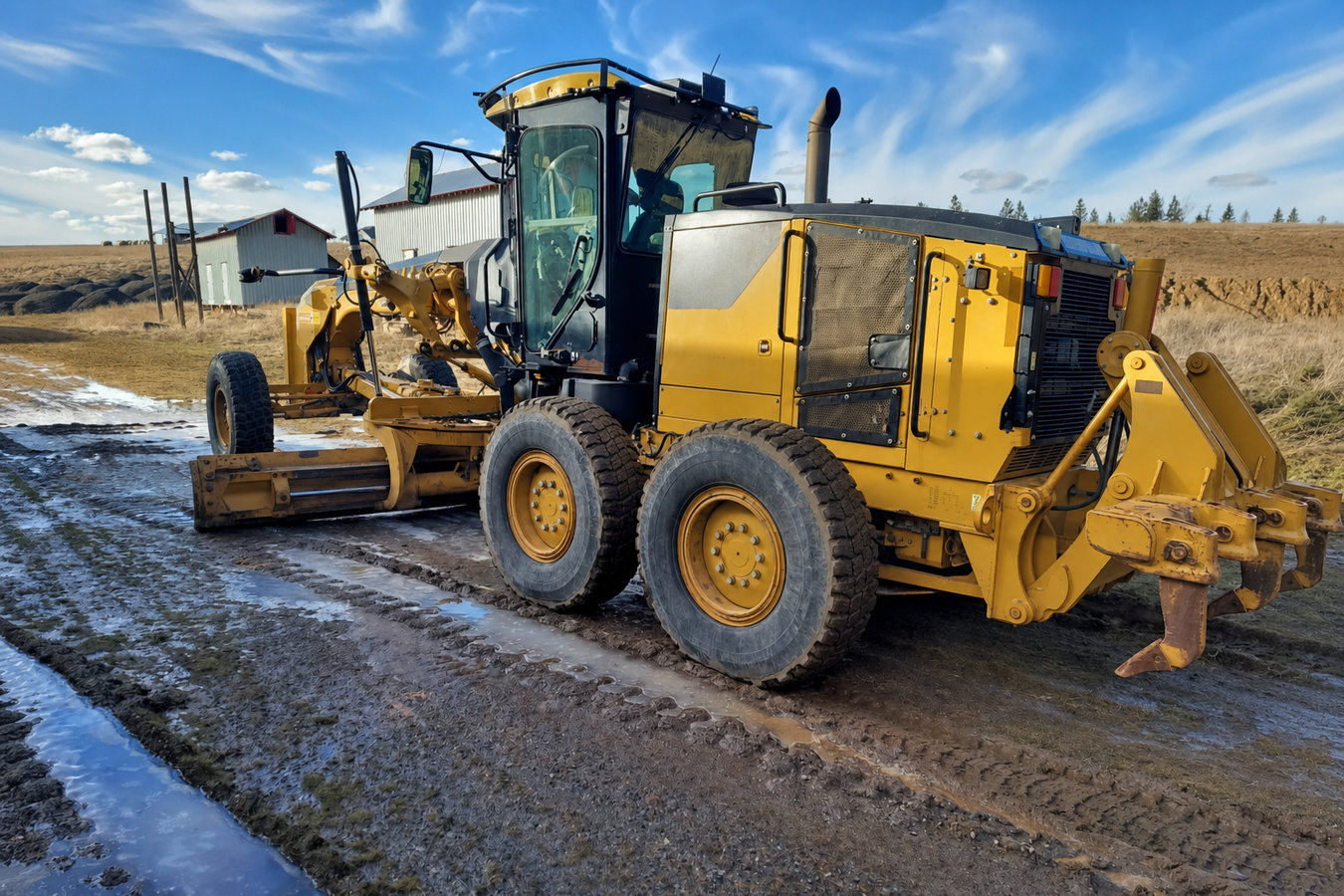
Pavement is only as good as what is underneath it. We excavate, grade, and compact the base so your new driveway drains correctly and lasts for years.
Grading and excavation in San Luis Obispo means digging out unstable or native soil, shaping the ground to the correct slope for drainage, bringing in compacted aggregate base material, and preparing a firm, even surface before paving begins - for a typical residential driveway, the ground prep phase takes one to two days, and the results determine how long your pavement holds up.
In SLO, skipping or rushing the base work is the most common reason driveways fail early. Clay-heavy soils expand and contract with seasonal moisture, and asphalt laid directly over them will crack, sink, and heave within a few years. Proper excavation removes that problem from the ground up. This phase is also where drainage is designed - the slope built into your driveway determines where rainwater goes every winter for the life of the pavement.
Grading and excavation connects directly to other services we provide. If your project also involves managing where runoff goes after leaving the paved surface, our drainage solutions work is typically done alongside or immediately after the grading phase.
If puddles form in the same places every time it rains, the ground underneath has settled unevenly. In San Luis Obispo's wet season, those puddles can sit for days and slowly work their way under your pavement, softening the base and speeding up cracking. Re-grading the area before repaving fixes the root cause rather than just patching the surface.
If you have a dirt or gravel area you want to pave, proper grading and excavation is the first step - not optional. The Central Coast's clay-heavy soils mean you cannot simply lay asphalt over native ground and expect it to last. A proper dig-out and base installation is what separates a driveway that lasts 20 years from one that fails in five.
If rain or irrigation water consistently runs toward your home rather than away from it, the ground is sloped the wrong direction. This is both a pavement problem and a potential foundation problem. Regrading the surface to direct water away from the structure is the right fix, and it is best done before any new paving goes down.
Widespread cracking or visible sinking usually means the base has failed, not just the surface. Patching over a failed base is a short-term fix. Excavating down to stable ground, rebuilding the base, and regrading properly is the lasting solution - and it is what a reputable paving contractor will recommend after a site inspection.
We handle site preparation for residential driveways, commercial parking areas, and new construction paving projects throughout San Luis Obispo and the surrounding Central Coast. Our crews use excavators, skid steers, and grading equipment to cut high spots, fill low areas, and shape the ground to the precise slope your project needs. After excavation, we bring in aggregate base material, spread it in layers, and compact each layer with a roller or plate compactor until the base is firm and stable. The finished grade is checked to confirm water will drain in the right direction before paving begins. When a project also requires managing runoff off the paved surface, we coordinate with our concrete curbing and sidewalks work, which often goes in alongside the base to define edges and direct drainage.
Permit requirements vary by project size and location in San Luis Obispo. We assess whether your specific job triggers a grading permit under city or county rules, and we handle the application process if one is needed. Our work follows the standards published by the National Asphalt Pavement Association - find guidance on base preparation at asphaltpavement.org. All excavated asphalt is recycled in line with industry practice. California contractor license verification is available through cslb.ca.gov.
For homeowners starting fresh on a dirt or gravel area - excavation and base installation is what makes the asphalt that follows last.
For driveways where surface cracking and sinking point to a base that has shifted or softened - a full dig-out is the lasting fix.
For properties where water pools near the structure or drains the wrong direction - reshaping the surface grade corrects the problem before new paving goes down.
For homeowners adding a garage, ADU, or carport who need the surrounding area properly graded to match finished floor elevation and manage drainage.
San Luis Obispo sits on soils with a significant clay content, particularly in valley-floor neighborhoods and on hillside lots near the Nine Sisters volcanic peaks that run through and around the city. Clay soils expand when wet and shrink when dry - that repeated seasonal movement is the primary reason pavement fails here even on properties that are not on steep slopes. A contractor who understands local soil conditions will excavate to an adequate depth and use the right base material rather than just raking over what is already there. The city's Mediterranean climate means grading work is best done during the dry season - late spring through early fall - when the ground is workable and the base has time to settle before the November rains arrive. Properties in San Miguel and Nipomo face similar clay soil and drainage challenges and are part of our regular service territory.
San Luis Obispo also has a lot of hilly terrain, and many residential lots have meaningful grade changes that require careful planning. On sloped properties, the grading work has to account for how water will move across the site - protecting the new pavement and avoiding runoff that creates drainage problems for neighboring properties. Older neighborhoods near downtown and Cal Poly often have aging driveways where excavation reveals old concrete, crumbling base material, or tree roots from mature street trees that have grown under the surface over decades. A site visit before any estimate is essential on these properties.
A contractor visits your property to look at the existing surface, measure the area, and assess the soil and drainage conditions. This is the step where complicating factors - steep slopes, clay soil, old pavement, or tree roots - are identified and priced. You receive a written estimate before any commitment is made. We reply within one business day to schedule.
If your project requires a grading permit under City of San Luis Obispo or SLO County rules, we let you know and handle the application. Permit timelines vary, so it is worth raising this question early. Once any required approvals are in place, your project gets scheduled for the dry season when conditions are best.
The crew digs out existing surface and soil to the depth needed for a stable base. Old pavement, roots, and unstable material are broken up and hauled away. This is the loudest, most disruptive phase - expect heavy equipment for most of the workday. The excavated area will look rough and unfinished at this stage, which is normal and expected.
Once excavated, the crew shapes the ground to the correct slope and brings in aggregate base material spread in layers and compacted until firm. The finished grade is checked to confirm drainage runs in the right direction. This step determines how well your pavement performs for the life of the surface.
Free on-site estimate, written quote, no obligation. We reply within one business day.
(805) 269-8159San Luis Obispo's clay-heavy soils require deeper excavation and the right base aggregate to prevent the pavement above from moving with seasonal moisture. We understand what is under the ground here and spec the job accordingly - not with a one-size approach copied from a different climate.
We never quote grading work over the phone. Every estimate starts with an in-person visit where we assess the soil, measure the area, and look for complicating factors - old pavement, tree roots, steep slopes, drainage concerns. This is the only way to give you a number that reflects what the job actually involves.
San Luis Obispo and SLO County have grading regulations that apply to projects above a certain size or on steep slopes. We assess whether your project triggers a permit requirement and handle the application if one is needed. Unpermitted grading work can surface in a real estate transaction - we protect you from that risk.
Grading is a drainage project as much as it is paving prep. The slope we build into your surface determines where water goes every winter for the life of the pavement. We design the grade to shed water away from your structure and toward a safe outlet - not as an afterthought once the asphalt is down.
Grading and excavation is the one phase of a paving project where shortcuts are invisible until the pavement above starts failing - often within the first few years. Doing it right means a surface that holds up through SLO's wet winters and dry summers for the long term.
Curbing installed alongside a graded site defines the edges of your paved area and channels drainage where it needs to go.
Learn MoreAfter grading establishes the slope, drainage infrastructure ensures runoff moves safely away from your structure and pavement.
Learn MoreSLO's summer window fills up fast - booking now means your base is compacted and ready before the November rains arrive, giving you the best possible foundation for whatever paving follows.